
Symmetry in Photography: How to Find and Capture Balance
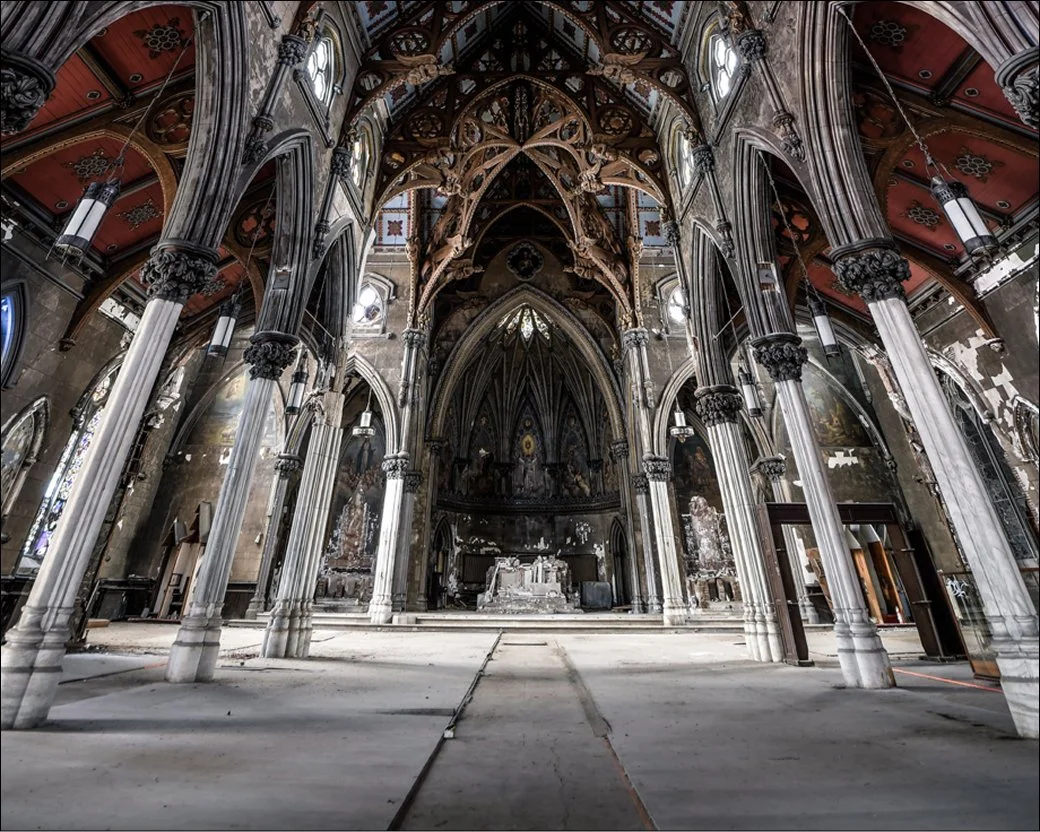
I still remember the first time symmetry stopped me in my tracks. I was standing at the bottom of a grand staircase when I noticed it. The curves, the shadows, the balance… it caught my attention in a way I didn’t expect.
From then on, I couldn’t not see it. Sure, symmetry may seem to be a simple concept, but it has immense pull. It guides the eye and brings balance to a frame, whether the focus is on urbex, architecture, nature, or wide-open landscapes. You can see it throughout my work, especially in my Flaunt Your Curves collection and in How to Find and Photograph Stairs and Staircases. So stay with me, and think of this as your map for seeing the world in perfect halves.
Understanding Types of Symmetry
The more I explore, the more I see it. Symmetry’s everywhere, and each type has its own feel and way of drawing you in. These are the two I rely on most:
1. Reflection Symmetry (Bilateral Symmetry)
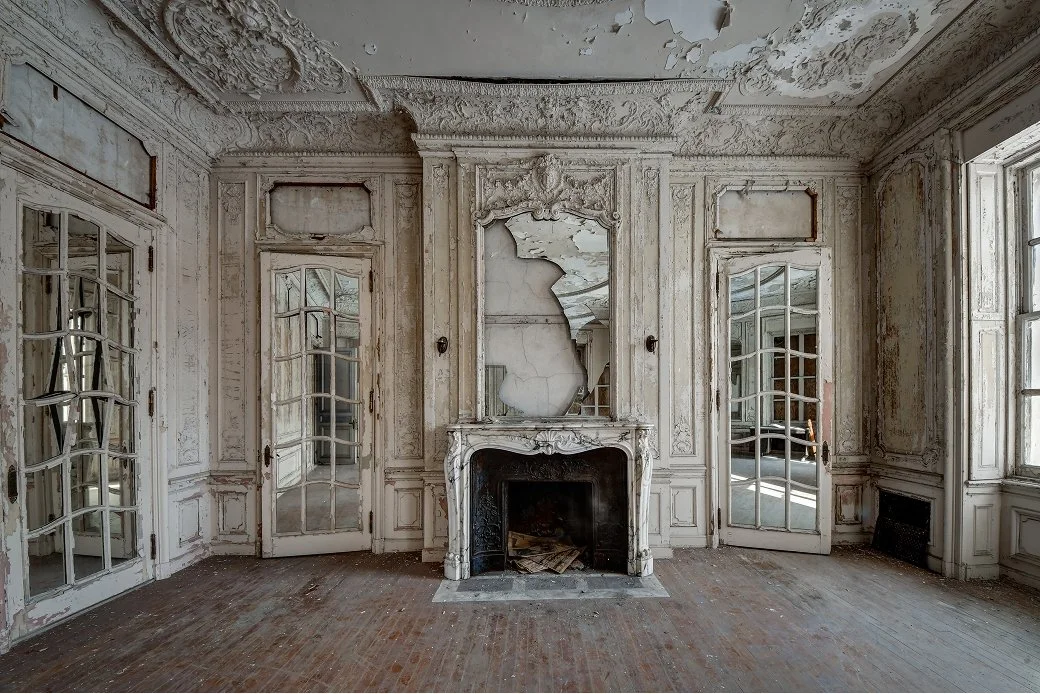
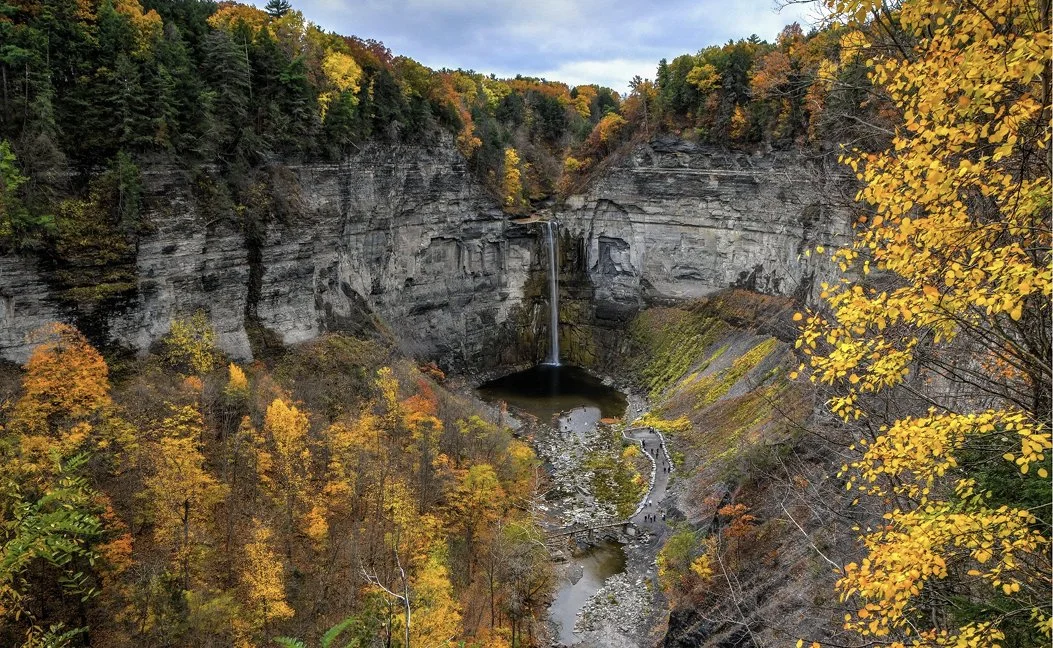
Reflection symmetry is usually the easiest to spot. It appears when one side of a scene mirrors the other along a vertical, horizontal, or even slightly diagonal line. For instance, you might see it in the windows of a building facade, the surface of a lake, or if you’re like me, the split of a grand staircase.
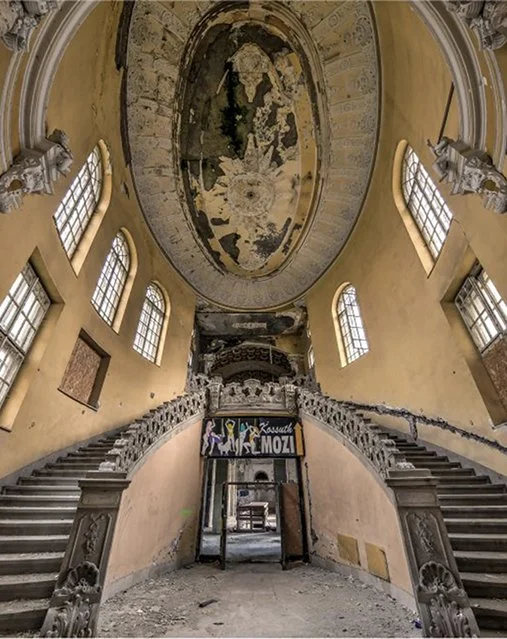
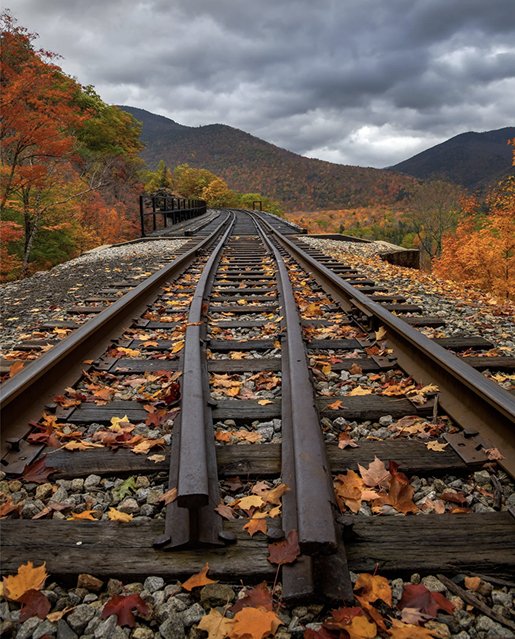
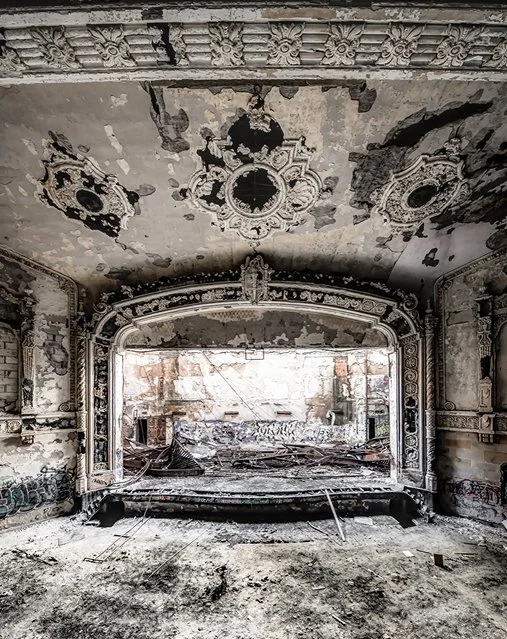
Satisfying, right? There’s a reason! Humans naturally gravitate to balance. Even in abandoned buildings where everything’s crumbling, reflection symmetry brings a sense of order and calm, which is one of the many reasons I’m so fascinated by it.
2. Rotational Symmetry (Radial Symmetry)
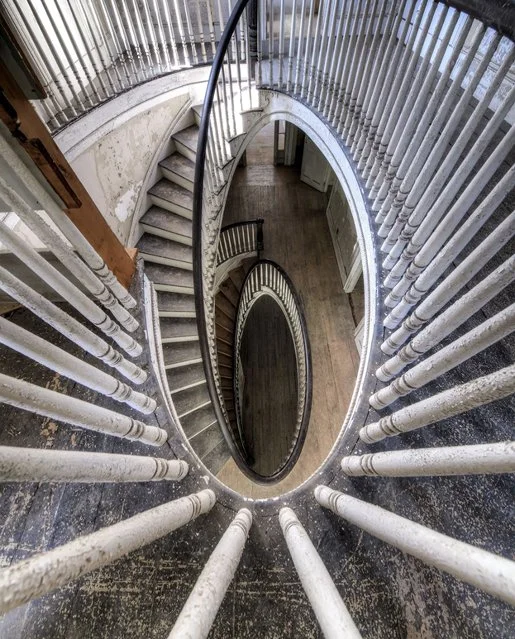
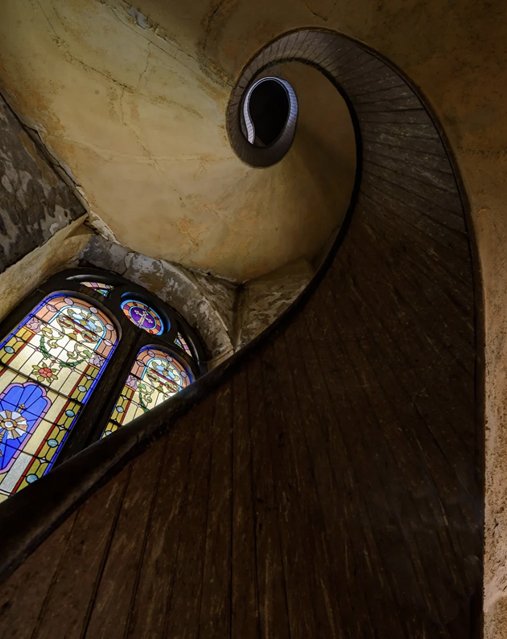
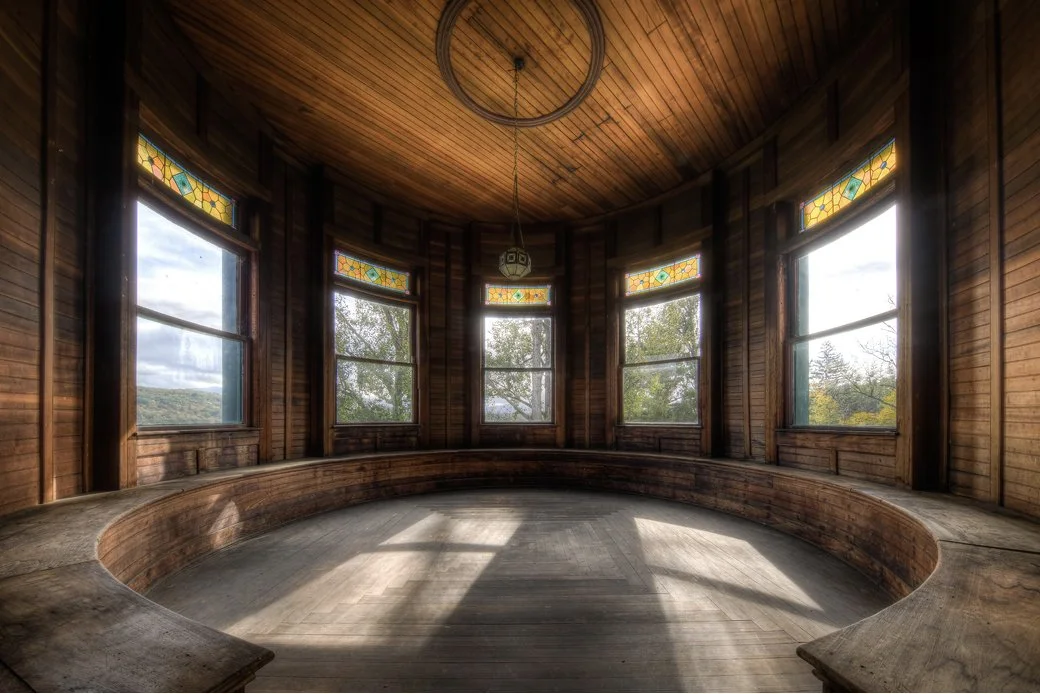
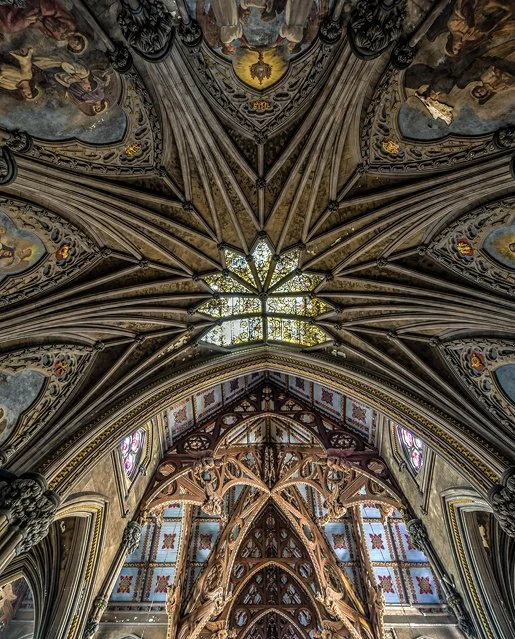
Rotational symmetry, on the other hand, feels a little different. Instead of creating a reflection, the elements form a circle around a center point. Think of looking down a spiral staircase, or up at a domed ceiling. This kind of symmetry draws the viewer inward and creates the illusion of motion, even when the subject is perfectly still.
The Beauty of Imperfection
And naturally, not everything lines up the way we think it should, since time has a way of nudging things out of place.
A missing floorboard or cracked tile interrupts the pattern, but I’ve come to welcome that. Why? Because an “almost” symmetrical scene often feels more authentic than a perfect one. Those small disruptions give the image its own story, and personally, I love that.

Finding Symmetry in Built Environments
If there’s one place where symmetry really shines, it’s in architecture. Think of an older building where the windows repeat and the doorways fall into a steady rhythm. Step inside, and the staircases start telling their own story.
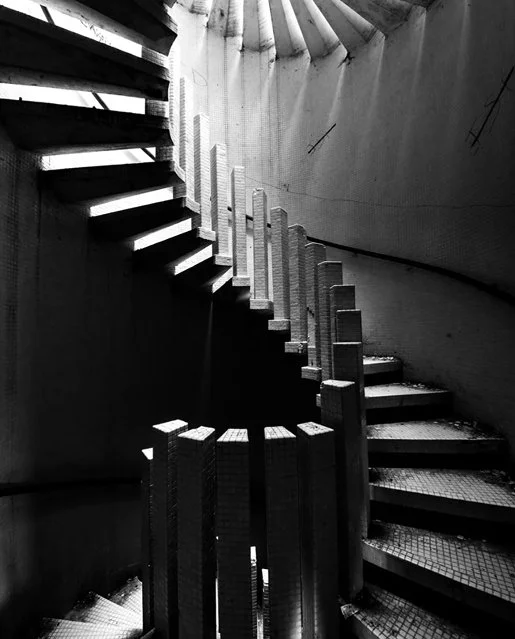
Whether tucked deep inside a building or rising through an open lobby, they’re total symmetry magnets. Railings, banisters, and steps repeat in natural patterns, creating curves and lines that guide the eye without effort. Standing at the center often gives the most satisfying composition, but looking from above or below can reveal shapes you wouldn’t normally see. In fact, that’s how many of the images in my Flaunt Your Curves collection came about.
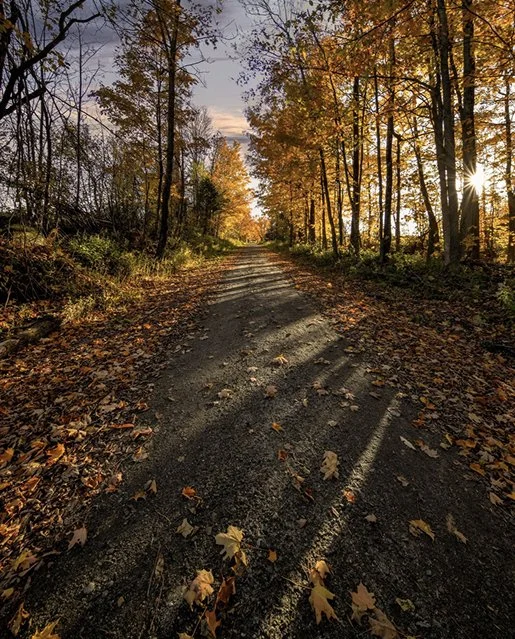
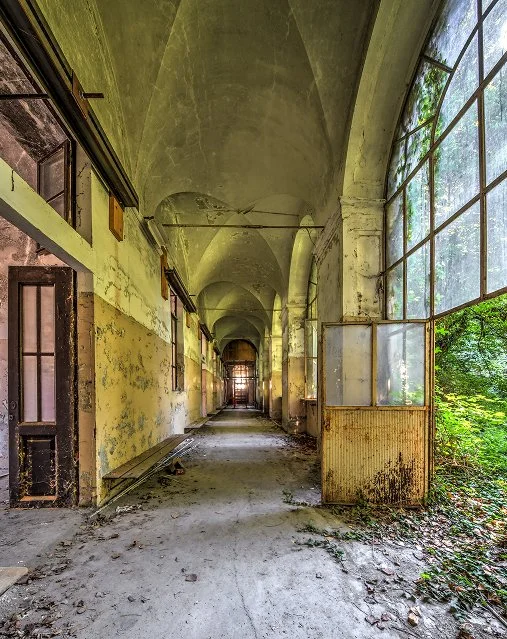
And it isn’t just staircases. Most interior spaces put symmetry on full display; you just have to know what you're looking at. Long corridors, for example, pull you deeper into the scene. Doorways and windows become frames within frames. Even the light plays a part! When it comes through matching windows or falls evenly across both sides of a hallway, it helps create a unique and tethered composition.
Here’s what helps me get the most captivating results inside architectural spaces:
Start by finding the true center line and placing yourself on it.
Use your grid or level to keep things straight.
Shooting straight on rather than at an angle usually makes symmetry appear clearer.
Wide-angle lenses can exaggerate patterns, especially in tight spaces.
Choose vertical or horizontal framing based on the structure's natural orientation.
And sometimes, an asymmetrical element like a person, a beam of light, or a piece of visible decay, can add more depth. Even in ordered spaces, the rule of thirds (a simple grid that divides your frame into nine equal parts) has its place.

Technical Tips for Perfect Symmetry
Capturing symmetry isn’t complicated, but it does require a bit of setup. What helps me most is keeping a few basics in mind, like:
Camera Setup
Start by turning on the grid overlay. It’s a simple way to keep your lines in check before you even snap the first shot. If you’re in low light or inside an old building with uneven floors, a tripod will help keep everything steady. I also like shooting in RAW because it gives you more flexibility later, especially with small alignment tweaks. And when it comes to lenses, a wide-angle usually works best for architecture, while a standard lens feels more natural in outdoor scenes.
Composition Techniques
Symmetry begins with finding your center line. Sometimes that means taking an extra step to the left or right, or shifting your weight until the lines fall into place. Keeping horizons and verticals level is important too. The more precisely you center yourself, the stronger the symmetry.
Editing for Symmetry
Editing is where minor refinements happen. Crop and straighten tools can clean up edges, and guided adjustments in Lightroom or Photoshop can help with stubborn lines. But I try not to overcorrect because a little reality goes a long way.
Common Mistakes to Avoid
The biggest issue is being slightly off-center. It’s incredible how much one tiny shift can affect an image. Watch for distracting elements in the foreground or background, and always check the edges of your frame. And remember, over-processing is another common pitfall, so keep the edits gentle so symmetry looks natural, not artificial.
Conclusion: Training Your Eye for Symmetry
If you use symmetry as a tool (not a rule), it can change the way you approach your work. The more you explore it, the more you’ll understand how balance and imperfection can work together. Sometimes the clean, centered shot feels right. Other times, a slight shift adds the spark you need. Both can open new creative directions, which is why symmetry continues to amaze me.
So next time you head out with your camera, take your time, keep an open mind, and let the world reveal its patterns to you. And if you feel like sharing, I would love to see what you uncover out there.